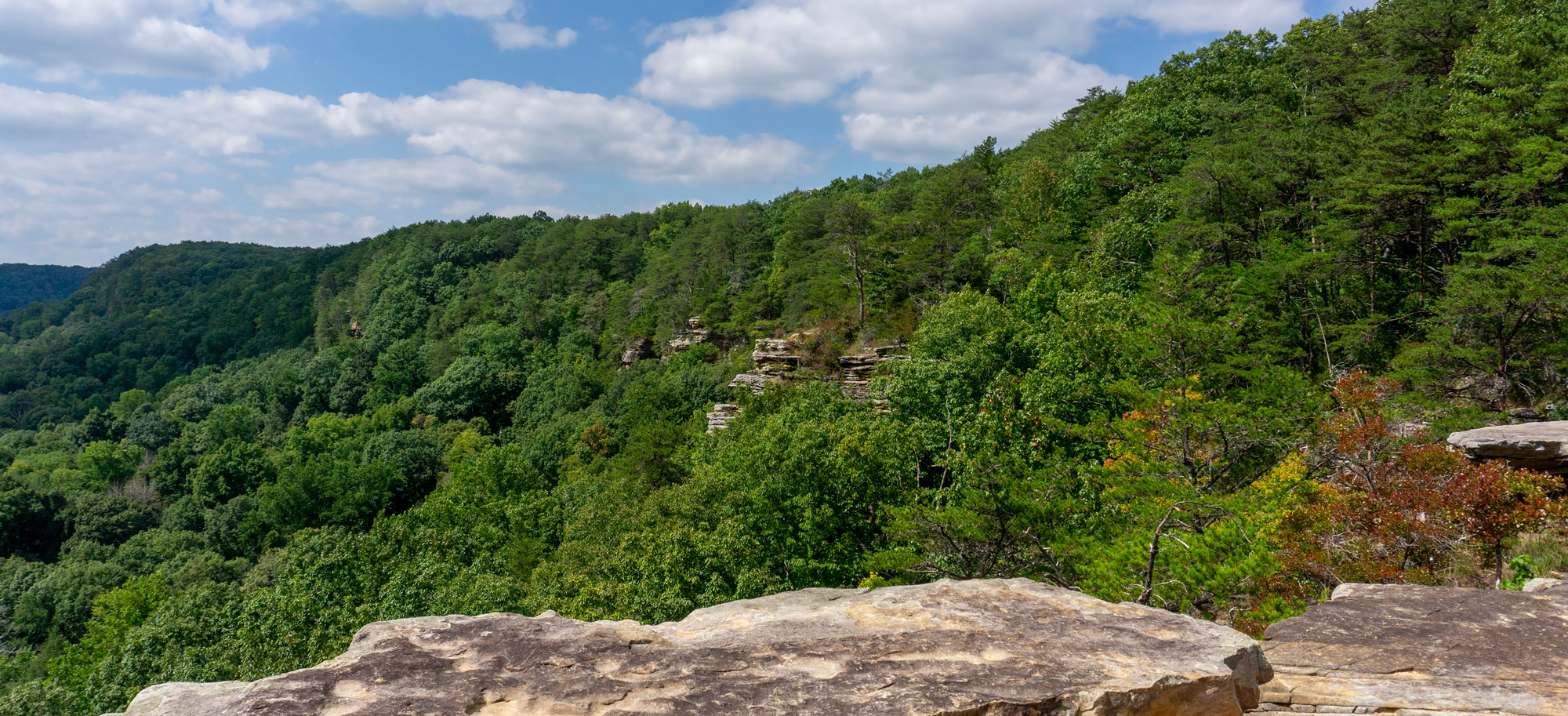
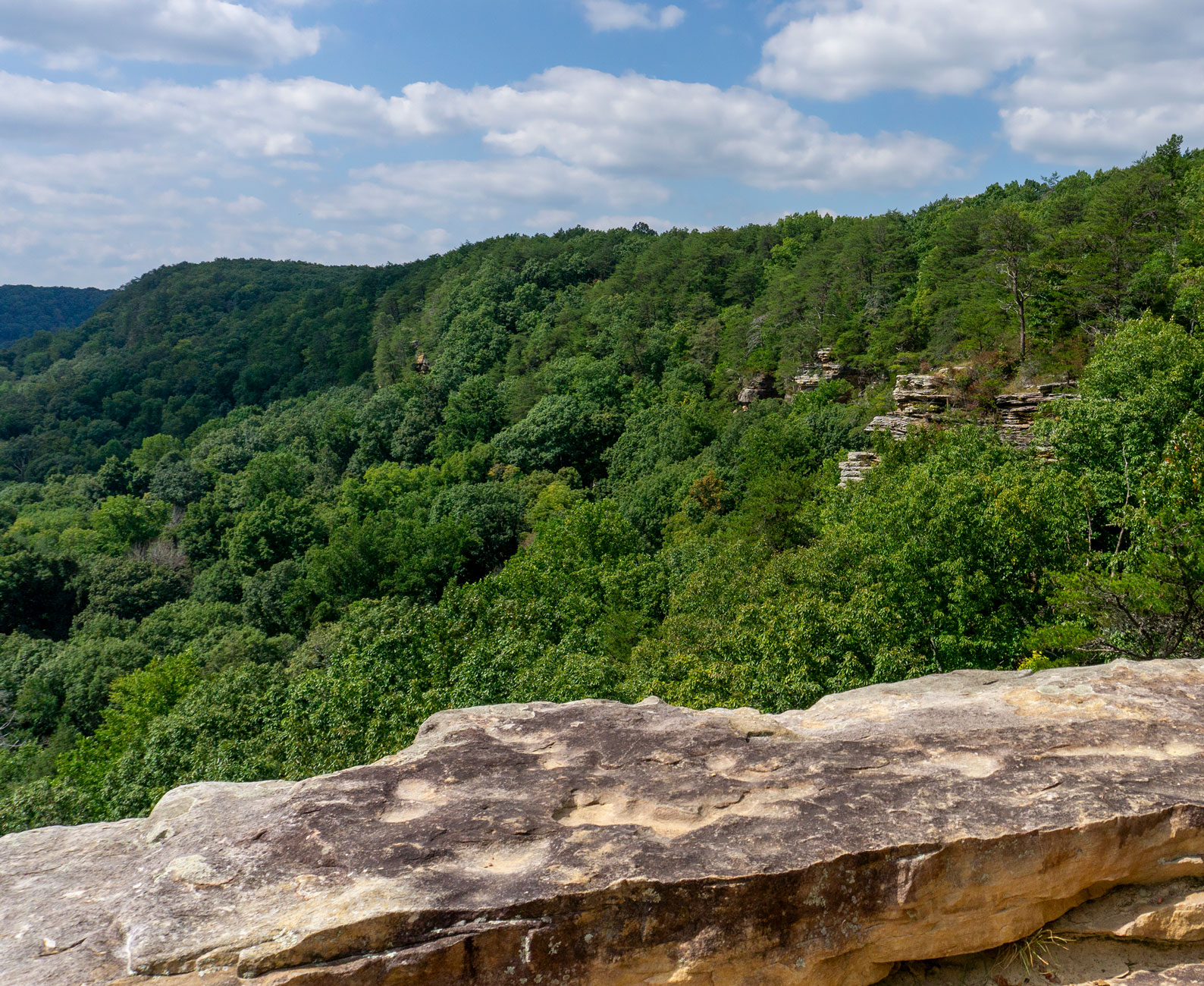
ATLANTA, GA — Savage Gulf State Park, one of Tennessee’s newest additions to the state park system, has grown by 670 acres following the successful conservation of privately owned forestland on the Cumberland Plateau. The newly protected tract, characterized by dense forest and high ecological value, has been transferred to state ownership and will be permanently managed as part of Savage Gulf State Park in Grundy and Sequatchie counties. The land acquisition represents a two-year collaborative effort among TennGreen Land Conservancy, The Nature Conservancy in Tennessee, The Conservation Fund, and the state of Tennessee. This expansion builds upon the park’s designation in 2022 as Tennessee’s 57th state park, carved from the former Savage Gulf State Natural Area. The region is nationally recognized for its waterfalls, rare plant species, and iconic geological features such as the Great Stone Door.
The newly protected property lies within the Middle Cumberland Plateau Conservation Opportunity Area and includes more than a mile of streams flowing into the Collins State Scenic River. These waterways support exceptional habitat value and provide long-term benefits for biodiversity, watershed protection, and public recreation. Numerous rare and endangered species have been documented on or near the site, reinforcing the importance of preserving the land for future generations.
“This conservation project will benefit Tennesseans for decades by promoting biodiversity, recreation, and watershed protection.” — TIR Senior Investment Forester Wayne Anthony
Timberland Investment Resources (TIR) was proud to work alongside conservation partners on this successful project focused on safeguarding sensitive lands and waters near Savage Gulf State Park. Protecting this forested landscape delivers lasting environmental, recreational, and ecological benefits while strengthening one of the Southeast’s most scenic public lands for generations to come. Senior Investment Forester Wayne Anthony emphasized the long-term value of the effort, noting that “this conservation project will benefit Tennesseans for decades by promoting biodiversity, recreation, and watershed protection.” TIR’s involvement reflects its ongoing commitment to responsible land stewardship and collaborative conservation outcomes.
For more details and full coverage of this conservation effort, read the original article published by the Chattanooga Times Free Press here.